
Whether it's a one off job or
ongoing care, our friendly team
can deliver pest control that lasts.
Services
Whether it's a one off job or ongoing care, our
friendly team can deliver pest control that lasts.
Whether it's a one off job or
ongoing care, our friendly team
can deliver pest control that lasts.
Services
Whether it's a one off job or ongoing care, our
friendly team can deliver pest control that lasts.
Whether it's a one off job or
ongoing care, our friendly team
can deliver pest control that lasts.
Services
Whether it's a one off job or ongoing care, our
friendly team can deliver pest control that lasts.

Professional pest control tailored to your property and situation.
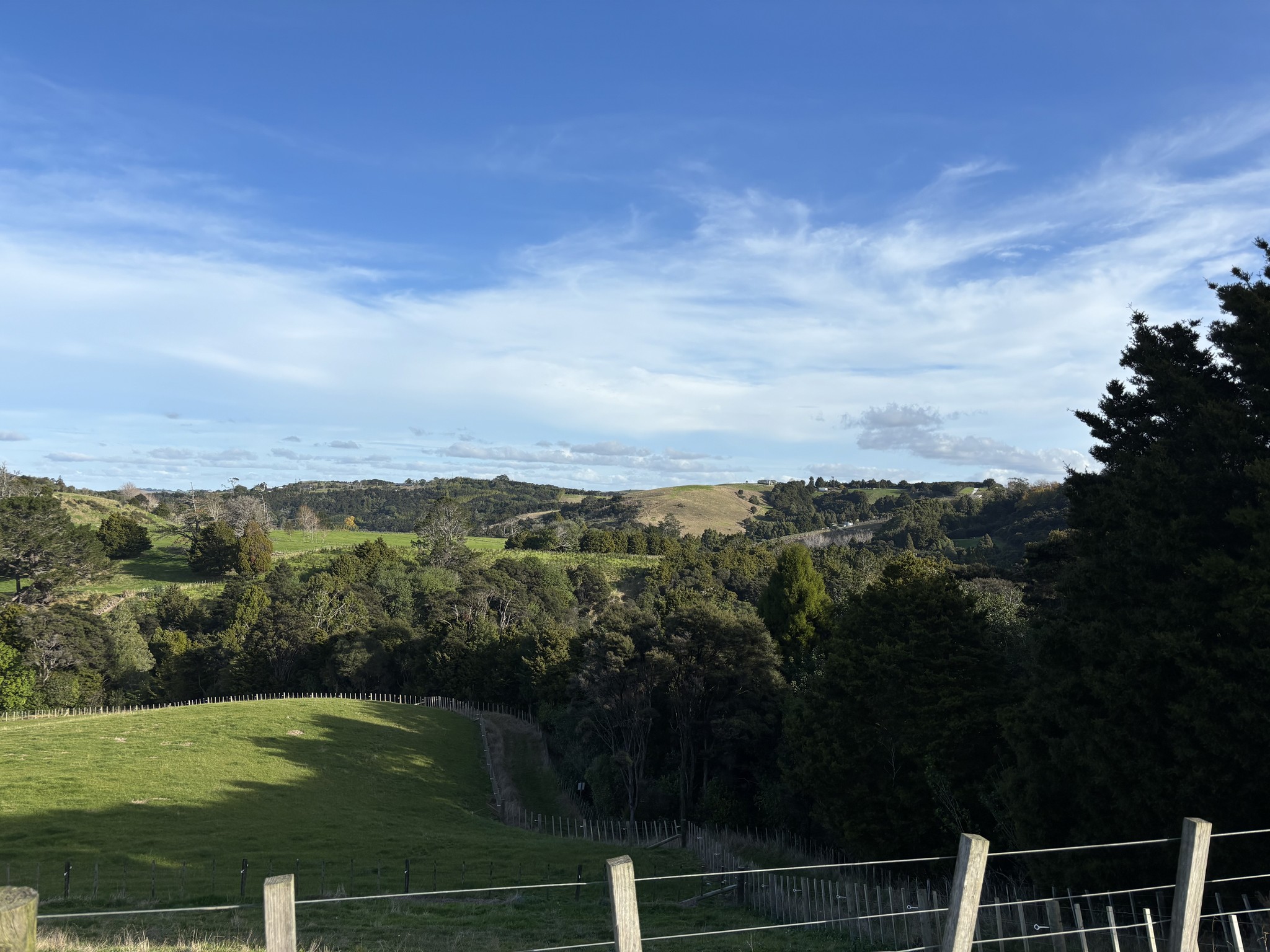
Whether it's a one-off treatment or ongoing pest management, No More Pests delivers the right solution for your home or business. We service properties across Auckland City, the North Shore, West Auckland, Hibiscus Coast, and Rodney District. Every job starts with a thorough inspection - we identify the pest, assess the risk, and apply the most effective treatment with minimal disruption to you.
Residential & Commercial
Scheduled or One-Off Treatments
Safe for Families & Pets
Auckland-Wide Coverage
Got a pest problem?
Frequently Asked Questions
Frequently Asked Questions
What pests do you treat?
We treat a wide range of common household and commercial pests across Auckland, including rats, mice, cockroaches, ants, wasps, spiders, fleas, flies and carpet beetles. Not sure what you're dealing with? Give us a call and we'll help you figure it out.
Do I need to identify the pest before calling you?
Not at all, that's our job. But any information you have can help us understand the context of your home (what you've seen, where you've seen it, when you saw it). Accurate pest identification is the first step in any effective treatment. Our technician will inspect your property, identify the pest and its source, and recommend the right approach. Treating the wrong pest wastes time and money, and in some cases can make the problem worse.
How do I know if I have a pest problem?
Common signs include droppings near food, walls, or in cupboards; gnaw marks on packaging, wiring, or timber; scratching or scurrying noises at night; unexplained bites or damaged fabrics; and unusual smells. Seeing pests during the daytime can also indicate a larger infestation. Pest activity can be seasonal too — rodents in New Zealand tend to peak in autumn and early winter as populations built up over summer begin moving indoors seeking warmth and food. Properties near the bush and waterways common across the North Shore, Kumeu, Warkworth and Hibiscus Coast can be particularly prone.
How much does pest management cost?
Cost varies depending on the type of pest, the size of the property and the treatment required. Where needed, we're happy to carry out a no-obligation assessment so you know exactly what's involved before any work begins. Get in touch and we'll talk it through.
How often should I get pest control treatments?
For most Auckland homes, a service every 6 to 12 months is enough for general prevention. Businesses, especially those handling food, may need more frequent visits. Properties near bush, waterways or farmland, which is common across Kumeu, Warkworth and the Hibiscus Coast, may also benefit from more regular monitoring. We'll recommend a schedule that suits your situation.
What areas do you service?
We service residential and commercial properties across north and central Auckland, including the North Shore, Hibiscus Coast, Kumeu and surrounding areas, and Warkworth and surrounding areas. Not sure if we cover your suburb? Give us a call and we'll let you know.
Do you offer commercial pest control?
Yes. We work with businesses across Auckland in food service, hospitality, retail, warehousing and more. Commercial properties often need tailored programmes with more frequent monitoring. We'll assess your site and put together a plan that meets your needs and any relevant compliance requirements.
Are your treatments safe for my family and pets?
Yes. We use products approved by the New Zealand Environmental Protection Authority (EPA) and apply them at targeted, safe levels. Before any treatment we'll walk you through what to prepare, such as removing pet food bowls, covering fish tanks, and keeping children and animals away from treated areas during the job. The same products we use are routinely applied in schools, hospitals and food manufacturing facilities across New Zealand.
Do I need to leave my home during treatment?
It depends on the treatment. For interior spray treatments, plan to be out of the home for around 4 to 5 hours. That's roughly an hour for the treatment itself plus drying time. For exterior-only services or rodent baiting, there's generally no need to leave as long as windows and doors are closed and pets are secured. We'll give you clear instructions when you book.
Are your methods environmentally friendly?
We follow an Integrated Pest Management (IPM) approach, which puts prevention and the least-risk methods first. That means we look at non-chemical options like sealing entry points, removing food sources and improving storage before turning to pesticides. When chemical treatment is needed, we use targeted, low-impact products applied only where they'll be most effective.
Is it safe to be home after treatment?
Yes, once the re-entry period has passed. For interior sprays that's typically 4 to 5 hours. When you return, open windows and doors for 30 minutes to air the space and wipe down any food preparation surfaces with a damp cloth. We'll confirm the exact instructions for your treatment on the day.
What is Integrated Pest Management (IPM)?
IPM is the industry-standard approach to pest control. Rather than just spraying and hoping for the best, it combines prevention (removing the food, water and shelter that attract pests), exclusion (sealing entry points), monitoring (regular inspection to track activity), and targeted treatment using chemical or biological control only when necessary. It's more effective long-term, reduces pesticide use and is better for your home and the environment.
How should I prepare my home before a treatment?
General preparation includes clearing floors and benchtops in areas being treated, storing or covering food and pet bowls, covering or removing aquariums, bringing in washing from outdoor lines if exterior spraying is planned, and securing pets. For some treatments like ant or rodent baiting, little to no preparation is needed at all. We'll give you specific instructions when you book.
How long does a treatment take?
Most residential treatments take around an hour on site. Larger properties or more complex infestations may take longer. We'll give you a realistic timeframe when we confirm your booking.
Why am I seeing more pests after a treatment?
This is completely normal. Some treatments, like cockroach gels and baits, work by encouraging pests to move toward the product. Disturbed insects or rodents can also become more active in the first few days. Activity should noticeably reduce within a week. If you're still seeing high numbers after two weeks, give us a call.
Can I do pest control myself?
For very minor problems, some DIY products can offer short-term relief but they rarely address the root cause. Professional pest managers are trained to identify the specific species, locate breeding sites and entry points, and apply proven solutions. Many of the products used by licensed technicians are significantly more effective than anything available over the counter. Getting the identification wrong or using the wrong treatment can allow an infestation to grow larger and more expensive to deal with.
What's the best way to prevent rats and mice?
The most effective approach combines sealing gaps and cracks (mice can squeeze through openings as small as 6mm), storing food including pet food in sealed containers, keeping gardens tidy, removing potential nesting spots like wood piles near the house, and making sure compost bins are secure. Auckland's rodent season peaks in autumn and early winter. Rural-fringe areas like Kumeu, Warkworth and the Hibiscus Coast tend to see particularly high rodent pressure as surrounding land dries off. A proactive baiting programme before this period is one of the most effective things you can do.
How do I know if I have cockroaches?
Signs include small dark droppings, a musty smell and egg cases in warm, sheltered spots. The German cockroach is the most common indoor pest in New Zealand. It's small, light brown and tends to be found near warmth and moisture like kitchens and bathrooms. The Gisborne cockroach is larger and darker, preferring cool damp environments like mulch and garden beds before entering homes through firewood or gaps in foundations. A Gisborne cockroach infestation is not a sign of poor hygiene. It's an entry and exclusion issue.
Are spiders in NZ dangerous?
Most New Zealand spiders are harmless and genuinely useful, preying on other insects around your home. The white-tailed spider is the one that causes the most concern. It's very common in Auckland homes and its bite can be painful, but extensive research in New Zealand and Australia found no evidence that it causes the serious skin conditions sometimes reported in the media. The katipo is the only native spider with significant venom, but it's very rare, lives only in remote coastal areas and is a protected species. If you're seeing large numbers of spiders indoors, it often points to an underlying insect population worth looking at.
What should I do if I find a wasp nest?
Leave it alone. Wasps defend their nest aggressively and can sting multiple times. Common and German wasps are the main pest species in New Zealand and nests can grow very large by late summer. This is especially common in bush-adjacent properties across the North Shore, Kumeu and Warkworth. The safest thing to do is call a professional. We can treat the nest using targeted methods that minimise risk to you, your family and any nearby beneficial insects like bees.
Do you offer one-off treatments or only ongoing contracts?
We offer both. Some customers just need a one-off treatment to deal with a specific problem, others prefer a regular maintenance programme to keep their home or business pest-free year round. There are no lock-in contracts. We'll recommend what makes sense for your situation and you can take it from there.
What's the difference between rats and mice and does it matter for treatment?
Yes, it matters. Rats and mice behave differently, feed differently and respond to different control methods. Rats are more cautious around new objects like traps and bait stations and may take several days to investigate them. Mice are more curious and quicker to engage. Getting the identification right from the start means we use the right products in the right locations, which makes the programme significantly more effective.
Do I need pest control if I only see one or two insects?
Not always, but it depends on the pest. Seeing one or two flies or the odd spider is generally nothing to worry about. But some pests are worth acting on quickly even in small numbers. A single German cockroach or a couple of rodent droppings can indicate a larger population nearby, since these pests tend to stay hidden. If you're unsure, give us a call and we can help you work out whether it warrants a visit.
Can pests come back after treatment?
They can, depending on the pest and the conditions at your property. Treatment deals with the active infestation but if the underlying causes like entry points, food sources or harbourage aren't addressed, re-infestation is possible. That's why our approach focuses on prevention alongside treatment. We'll always give you practical advice on what you can do to reduce the risk of pests returning.
How do I book a treatment?
The easiest way is to call us on 022 675 8226 or email tim@nomorepests.co.nz. Let us know what you're dealing with, a bit about your property, and we'll organise a time that works for you. For situations where we need to see the property before recommending a treatment, we'll arrange a no-obligation assessment first.
What pests do you treat?
We treat a wide range of common household and commercial pests across Auckland, including rats, mice, cockroaches, ants, wasps, spiders, fleas, flies and carpet beetles. Not sure what you're dealing with? Give us a call and we'll help you figure it out.
Do I need to identify the pest before calling you?
Not at all, that's our job. But any information you have can help us understand the context of your home (what you've seen, where you've seen it, when you saw it). Accurate pest identification is the first step in any effective treatment. Our technician will inspect your property, identify the pest and its source, and recommend the right approach. Treating the wrong pest wastes time and money, and in some cases can make the problem worse.
How do I know if I have a pest problem?
Common signs include droppings near food, walls, or in cupboards; gnaw marks on packaging, wiring, or timber; scratching or scurrying noises at night; unexplained bites or damaged fabrics; and unusual smells. Seeing pests during the daytime can also indicate a larger infestation. Pest activity can be seasonal too — rodents in New Zealand tend to peak in autumn and early winter as populations built up over summer begin moving indoors seeking warmth and food. Properties near the bush and waterways common across the North Shore, Kumeu, Warkworth and Hibiscus Coast can be particularly prone.
How much does pest management cost?
Cost varies depending on the type of pest, the size of the property and the treatment required. Where needed, we're happy to carry out a no-obligation assessment so you know exactly what's involved before any work begins. Get in touch and we'll talk it through.
How often should I get pest control treatments?
For most Auckland homes, a service every 6 to 12 months is enough for general prevention. Businesses, especially those handling food, may need more frequent visits. Properties near bush, waterways or farmland, which is common across Kumeu, Warkworth and the Hibiscus Coast, may also benefit from more regular monitoring. We'll recommend a schedule that suits your situation.
What areas do you service?
We service residential and commercial properties across north and central Auckland, including the North Shore, Hibiscus Coast, Kumeu and surrounding areas, and Warkworth and surrounding areas. Not sure if we cover your suburb? Give us a call and we'll let you know.
Do you offer commercial pest control?
Yes. We work with businesses across Auckland in food service, hospitality, retail, warehousing and more. Commercial properties often need tailored programmes with more frequent monitoring. We'll assess your site and put together a plan that meets your needs and any relevant compliance requirements.
Are your treatments safe for my family and pets?
Yes. We use products approved by the New Zealand Environmental Protection Authority (EPA) and apply them at targeted, safe levels. Before any treatment we'll walk you through what to prepare, such as removing pet food bowls, covering fish tanks, and keeping children and animals away from treated areas during the job. The same products we use are routinely applied in schools, hospitals and food manufacturing facilities across New Zealand.
Do I need to leave my home during treatment?
It depends on the treatment. For interior spray treatments, plan to be out of the home for around 4 to 5 hours. That's roughly an hour for the treatment itself plus drying time. For exterior-only services or rodent baiting, there's generally no need to leave as long as windows and doors are closed and pets are secured. We'll give you clear instructions when you book.
Are your methods environmentally friendly?
We follow an Integrated Pest Management (IPM) approach, which puts prevention and the least-risk methods first. That means we look at non-chemical options like sealing entry points, removing food sources and improving storage before turning to pesticides. When chemical treatment is needed, we use targeted, low-impact products applied only where they'll be most effective.
Is it safe to be home after treatment?
Yes, once the re-entry period has passed. For interior sprays that's typically 4 to 5 hours. When you return, open windows and doors for 30 minutes to air the space and wipe down any food preparation surfaces with a damp cloth. We'll confirm the exact instructions for your treatment on the day.
What is Integrated Pest Management (IPM)?
IPM is the industry-standard approach to pest control. Rather than just spraying and hoping for the best, it combines prevention (removing the food, water and shelter that attract pests), exclusion (sealing entry points), monitoring (regular inspection to track activity), and targeted treatment using chemical or biological control only when necessary. It's more effective long-term, reduces pesticide use and is better for your home and the environment.
How should I prepare my home before a treatment?
General preparation includes clearing floors and benchtops in areas being treated, storing or covering food and pet bowls, covering or removing aquariums, bringing in washing from outdoor lines if exterior spraying is planned, and securing pets. For some treatments like ant or rodent baiting, little to no preparation is needed at all. We'll give you specific instructions when you book.
How long does a treatment take?
Most residential treatments take around an hour on site. Larger properties or more complex infestations may take longer. We'll give you a realistic timeframe when we confirm your booking.
Why am I seeing more pests after a treatment?
This is completely normal. Some treatments, like cockroach gels and baits, work by encouraging pests to move toward the product. Disturbed insects or rodents can also become more active in the first few days. Activity should noticeably reduce within a week. If you're still seeing high numbers after two weeks, give us a call.
Can I do pest control myself?
For very minor problems, some DIY products can offer short-term relief but they rarely address the root cause. Professional pest managers are trained to identify the specific species, locate breeding sites and entry points, and apply proven solutions. Many of the products used by licensed technicians are significantly more effective than anything available over the counter. Getting the identification wrong or using the wrong treatment can allow an infestation to grow larger and more expensive to deal with.
What's the best way to prevent rats and mice?
The most effective approach combines sealing gaps and cracks (mice can squeeze through openings as small as 6mm), storing food including pet food in sealed containers, keeping gardens tidy, removing potential nesting spots like wood piles near the house, and making sure compost bins are secure. Auckland's rodent season peaks in autumn and early winter. Rural-fringe areas like Kumeu, Warkworth and the Hibiscus Coast tend to see particularly high rodent pressure as surrounding land dries off. A proactive baiting programme before this period is one of the most effective things you can do.
How do I know if I have cockroaches?
Signs include small dark droppings, a musty smell and egg cases in warm, sheltered spots. The German cockroach is the most common indoor pest in New Zealand. It's small, light brown and tends to be found near warmth and moisture like kitchens and bathrooms. The Gisborne cockroach is larger and darker, preferring cool damp environments like mulch and garden beds before entering homes through firewood or gaps in foundations. A Gisborne cockroach infestation is not a sign of poor hygiene. It's an entry and exclusion issue.
Are spiders in NZ dangerous?
Most New Zealand spiders are harmless and genuinely useful, preying on other insects around your home. The white-tailed spider is the one that causes the most concern. It's very common in Auckland homes and its bite can be painful, but extensive research in New Zealand and Australia found no evidence that it causes the serious skin conditions sometimes reported in the media. The katipo is the only native spider with significant venom, but it's very rare, lives only in remote coastal areas and is a protected species. If you're seeing large numbers of spiders indoors, it often points to an underlying insect population worth looking at.
What should I do if I find a wasp nest?
Leave it alone. Wasps defend their nest aggressively and can sting multiple times. Common and German wasps are the main pest species in New Zealand and nests can grow very large by late summer. This is especially common in bush-adjacent properties across the North Shore, Kumeu and Warkworth. The safest thing to do is call a professional. We can treat the nest using targeted methods that minimise risk to you, your family and any nearby beneficial insects like bees.
Do you offer one-off treatments or only ongoing contracts?
We offer both. Some customers just need a one-off treatment to deal with a specific problem, others prefer a regular maintenance programme to keep their home or business pest-free year round. There are no lock-in contracts. We'll recommend what makes sense for your situation and you can take it from there.
What's the difference between rats and mice and does it matter for treatment?
Yes, it matters. Rats and mice behave differently, feed differently and respond to different control methods. Rats are more cautious around new objects like traps and bait stations and may take several days to investigate them. Mice are more curious and quicker to engage. Getting the identification right from the start means we use the right products in the right locations, which makes the programme significantly more effective.
Do I need pest control if I only see one or two insects?
Not always, but it depends on the pest. Seeing one or two flies or the odd spider is generally nothing to worry about. But some pests are worth acting on quickly even in small numbers. A single German cockroach or a couple of rodent droppings can indicate a larger population nearby, since these pests tend to stay hidden. If you're unsure, give us a call and we can help you work out whether it warrants a visit.
Can pests come back after treatment?
They can, depending on the pest and the conditions at your property. Treatment deals with the active infestation but if the underlying causes like entry points, food sources or harbourage aren't addressed, re-infestation is possible. That's why our approach focuses on prevention alongside treatment. We'll always give you practical advice on what you can do to reduce the risk of pests returning.
How do I book a treatment?
The easiest way is to call us on 022 675 8226, fill in our "contact us form" or email tim@nomorepests.co.nz. Let us know what you're dealing with, a bit about your property, and we'll organise a time that works for you. For situations where we need to see the property before recommending a treatment, we'll arrange a no-obligation assessment first.