
Why rodents love Auckland (and how to make your home less welcoming)
The Auckland Homeowner's Guide to Keeping Rodents Out
Rats, Mice & You: A Practical Guide to Rodent Control in Auckland
Auckland is a city built for living, warm, wet, and full of lush greenery. Unfortunately, it's not just humans who love it here. Rodents have carved out a very comfortable existence alongside us, and as any homeowner who's heard scratching in the walls at 2am knows, they're not shy about making themselves at home.
Understanding why rodents thrive in Auckland, and what you can do about it, is the first step to taking back your property.
A Few Things You Didn't Know About Rodents
Before diving into control strategies, it helps to know what you're dealing with. Rodents are genuinely remarkable animals, and that's precisely what makes them so hard to manage.
A single pair of rats can theoretically produce up to 2,000 descendants in a year, given ideal conditions. Mice aren't far behind. Their teeth never stop growing, which is why they gnaw constantly on wood, plastic, wiring, and insulation. House mice can squeeze through a gap as small as 6mm; rats need only 20mm. If a pencil fits through a hole, a mouse probably can too.
Rodents are also neophobic, meaning they're instinctively wary of new objects in their environment. This is why a trap placed in a runway may sit untouched for days before a rodent investigates it. Patience is part of the game.
They're also highly intelligent. Rats in particular have been shown to demonstrate problem-solving, empathy, and even risk assessment. This means a rodent that has survived a trap or bait encounter will actively avoid similar situations in the future. Rotating control methods matters more than most people realise.
Auckland's Ecosystem and What It Means for Pest Pressure
Auckland's environment creates near-perfect conditions for rodent populations to grow year-round. The city's subtropical climate means there's rarely a "killing winter" that naturally suppresses numbers the way colder climates experience.
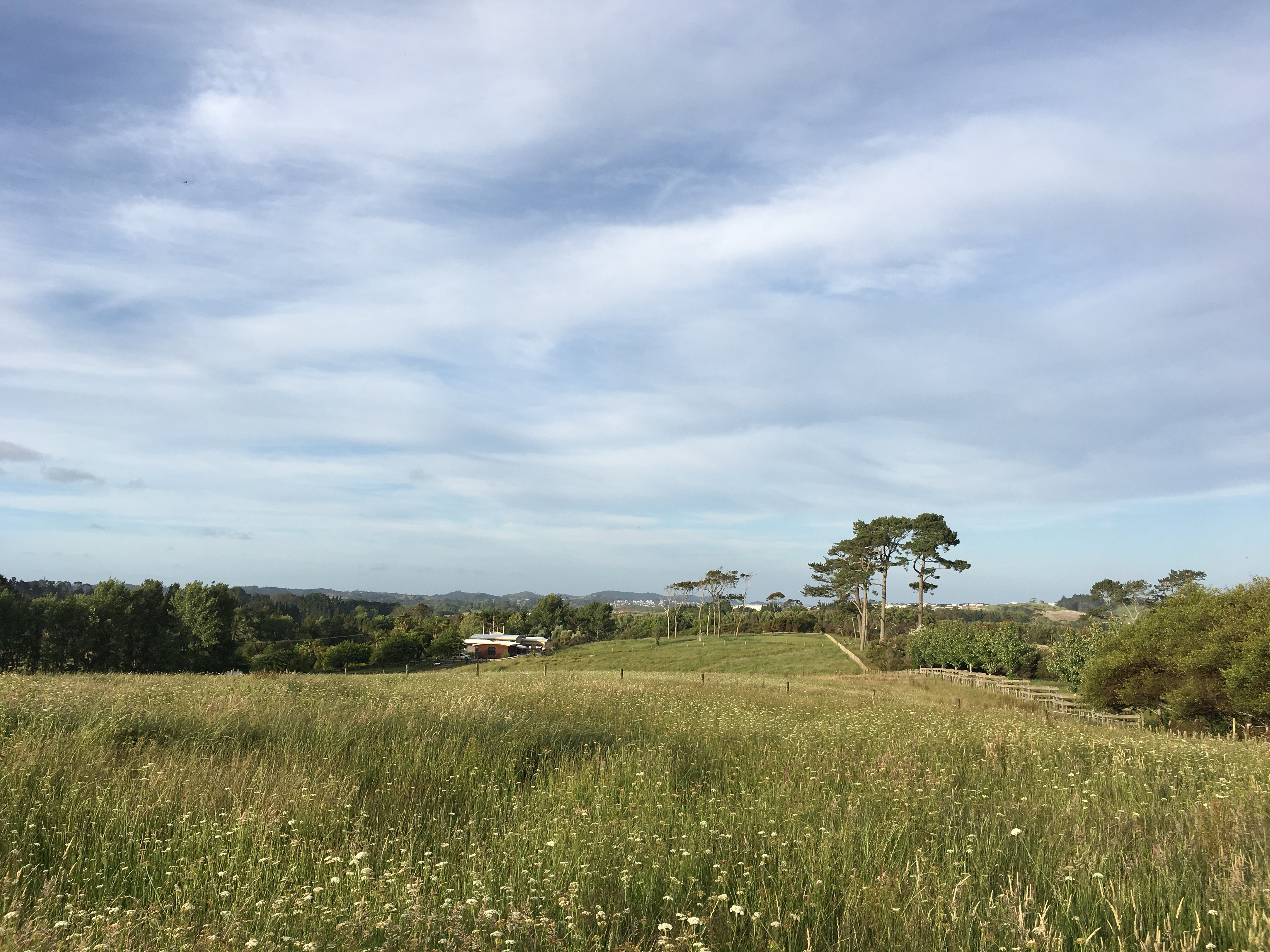
Native bush corridors, the Waitakere Ranges, and the Hunua Ranges act as large reservoir populations for ship rats (Rattus rattus), one of the most destructive introduced species in New Zealand. These bush rats regularly move into suburban zones, particularly in properties bordering green belts or near stream corridors.
New Zealand is home to three main pest rodent species: the ship rat, the Norway rat (Rattus norvegicus), and the house mouse (Mus musculus). Each behaves differently. Ship rats are agile climbers and often enter homes through roof cavities. Norway rats prefer ground level, burrowing under concrete, along fence lines, and in compost areas. House mice are opportunists that exploit any food source, no matter how small.
Predator populations including cats, hawks, and stoats provide some natural suppression, but they can't keep pace with rodent reproduction rates in urban environments. This is why active management by homeowners and pest professionals is essential.
Seasonality: When Rodents Are Most Active in Auckland
While Auckland doesn't experience extreme seasonal swings, rodent pressure is noticeably higher during autumn and winter, typically April through August.
As temperatures drop and natural food sources like seeds, fruit, and insects become scarcer, rodents seek shelter and more reliable food. Your home, with its insulated walls, food scraps, and warmth, becomes highly attractive. This is the time of year when most rodent callouts spike, and when proactive prevention pays off most.
Summer and autumn harvests also drive activity. Fruit trees are magnets for ship rats, and Auckland has plenty of them. A feijoa or citrus tree dropping fruit is essentially a buffet sign. Once a rat establishes a foraging route to your property, it will keep returning and eventually try to move inside.
The key takeaway: don't wait until you see a rodent to act. Begin prevention measures in late summer, before the autumn surge.
What You Can Do Around Your Home
Effective rodent management is less about one big intervention and more about removing the conditions that attract and sustain them. Here's where to focus:
Eliminate food sources This is the single most impactful step. Store all food in sealed containers, including pet food, which is a major attractant. Don't leave pet bowls out overnight. Fallen fruit from trees should be collected daily during harvest season. Compost bins should be rodent-proof with a sealed base and lid; open heaps are essentially a rodent hotel.
Reduce harbourage Rodents nest close to food. Remove clutter from garages and sheds, stack firewood away from the house and off the ground, and trim dense ground cover and ivy that provides ground-level shelter. Keep the 60cm zone around your home's perimeter clear.
Seal entry points Walk around your home and look for gaps around pipes, cables, and vents entering the building. Steel wool packed into gaps, followed by a sealant, is an effective short-term fix. Permanent repairs should use metal flashing, concrete, or purpose-built rodent-proof mesh. Check roof spaces, as loose tiles, broken soffit boards, and gaps around eaves are common ship rat entry points.
Use traps strategically Snap traps remain one of the most effective and humane control methods when used correctly. Place them along walls and fence lines, perpendicular to the wall with the trigger end facing the surface. Rodents don't like open spaces, so they naturally travel these routes. Bait with peanut butter, chocolate, or nesting material. Check and reset daily. For an active infestation, use multiple traps; a single trap rarely solves the problem.
A Note on Bait Stations: Effective, but Use Them Wisely
Tamper-resistant bait stations containing rodenticide can be highly effective for ongoing management. For significant infestations, they are often a necessary tool. However, they come with a responsibility that's worth understanding before you deploy them.
The main concern is secondary poisoning. When a rodent consumes rodenticide and dies, any predator or scavenger that eats that animal can ingest the poison too. In New Zealand, this is particularly relevant for the ruru (morepork), our native owl. The ruru is a natural predator of rodents and is increasingly common in Auckland's suburban areas, drawn in by the same mouse and rat populations we're trying to control. DOC has documented cases of ruru suffering suspected secondary poisoning from brodifacoum, the active ingredient in many household bait products, after eating poisoned rodents. Auckland Zoo notes that ruru are specifically vulnerable to this accumulative effect through their prey.
This doesn't mean bait stations should be avoided entirely. Uncontrolled rodent populations carry their own serious ecological harm: rats predate on native bird eggs and chicks, compete with native species for food, and spread disease. Research has shown that well-managed predator control, even where some secondary poisoning risk exists, can result in net benefits for native bird populations including ruru. The key is using bait responsibly.
Practical steps to reduce secondary poisoning risk:
Choose bait stations with fully enclosed designs that prevent access by birds and larger animals
Check stations regularly and remove dead rodents promptly so they can't be scavenged
Use snap traps as the primary method where possible, reserving bait for situations where trapping alone isn't sufficient
If you're unsure which approach suits your property, we're happy to talk it through. Get in touch with us and we can recommend a programme that controls rodents effectively while looking after the wildlife in your neighbourhood.
When to Call Us
If you're hearing persistent activity, seeing droppings in multiple areas, or finding gnaw damage, it's worth getting a professional eye on the problem. We can identify the species involved, locate entry and harbourage points that aren't obvious, and put together a targeted treatment plan specific to your property.
For homes near bush, backing onto waterways, or with a history of repeated infestations, an ongoing management programme often makes more sense than reactive treatments. Prevention is always cheaper than a full-scale infestation.
If something doesn't seem right, don't sit on it. Get in touch with us and we'll help you figure out what's going on and what to do about it.
Rodents are resourceful. But so are Aucklanders, and with the right knowledge and the right support, you can stay one step ahead.